Zero Calorie vs Low Sugar RTD Drinks for B2B Brands ⚖️
Key Takeaways
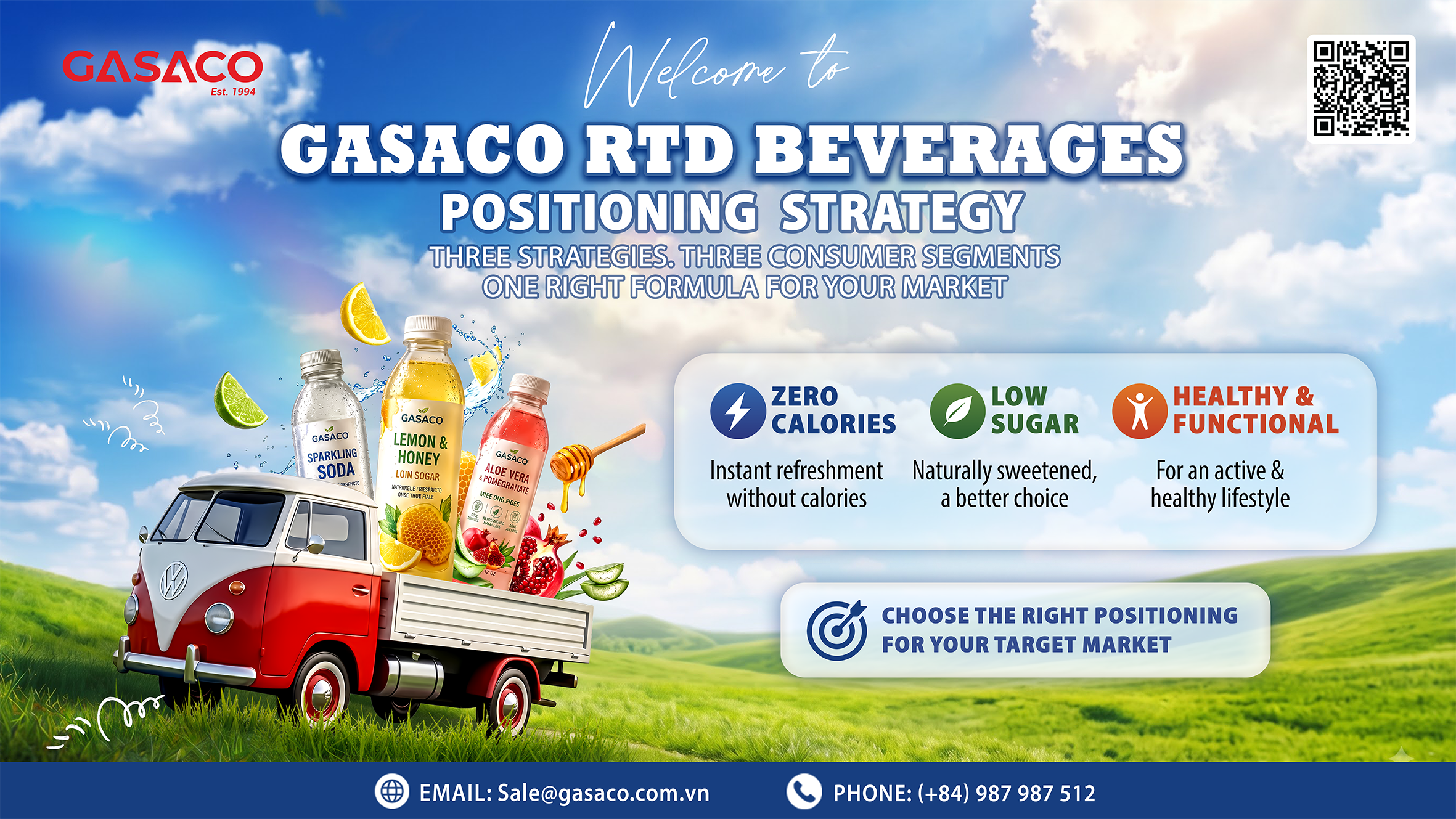
- Zero calorie low sugar and functional RTD drinks target different consumer needs.
- Zero calorie products focus on enjoyment without additional energy intake.
- Low sugar products appeal to buyers who value natural sweetness and clean label ingredients.
- Functional beverages create value through ingredients such as fiber prebiotics and electrolytes.
- Clear positioning from the R and D stage helps control costs and improve market fit.
In the ready to drink beverage industry health is no longer simply a competitive advantage. It is becoming a basic market expectation. Yet many beverage brands still group healthy zero calorie and low sugar into one message.
That approach can create confusion for consumers and inefficiencies for product development. From an R and D and B2B perspective these are three separate product directions. Each has its own target audience formulation requirements and commercial opportunity.
Zero Calorie RTD Drinks for Guilt Free Enjoyment ⚡
Zero calorie RTD drinks are designed for consumers who want refreshment flavor or energy without extra calorie intake. The priority is immediate satisfaction with minimal energy contribution.
This positioning is a strong fit for carbonated soft drinks energy drinks and canned ready to drink tea. It is especially relevant for consumers who monitor calorie intake but still want a convenient and enjoyable beverage experience.
- Carbonated soda and sparkling drinks
- Energy drinks
- Flavored water
- Canned tea and refreshment drinks
For brands the challenge is to create a balanced taste profile while maintaining the intended calorie claim. Sweetener selection flavor design and aftertaste management should be addressed early in formulation.
Low Sugar Drinks with Natural Sweetness ♻️
Low sugar beverages speak to a different consumer mindset. These customers often prefer products with recognizable ingredients and may be cautious about artificial sweeteners. They are willing to accept moderate calories when the product offers a natural sweetness story and a cleaner label.
Natural sweetness can come from ingredients such as date syrup concentrated fruit juice or palm sugar. The commercial value is not only reduced sugar. It is also the confidence that comes from a more transparent and familiar ingredient list.
| Sweetness Source | Consumer Value | Suitable RTD Applications |
| Date based sweetener | Natural rich sweetness | Tea plant based drinks functional beverages |
| Concentrated fruit juice | Fruit based flavor and sweetness | Juice drinks flavored water ready to drink tea |
| Palm sugar | Traditional natural inspired profile | Tea coffee and Asian inspired beverages |
A successful low sugar beverage should clearly explain what makes its sweetness different. The product promise must match the recipe packaging message and target consumer expectation.
Healthy Functional Beverages with Added Benefits ✅
Healthy and functional beverages are for consumers who expect more than hydration or refreshment. They actively seek added value that supports wellness daily activity recovery or digestive comfort.
Depending on the product direction functional RTD drinks can include:
- Soluble fiber for digestive support
- Prebiotics for gut health positioning
- Electrolytes for hydration and mineral replenishment
- Ingredients that support daily wellness or digestive comfort
In this segment the benefit should be easy to understand and relevant to the intended consumer. A functional claim should always be aligned with the actual formulation and product concept.
Zero Calorie Low Sugar and Functional Drink Comparison ⚖️
| Positioning | Primary Consumer Need | Core Product Message | Best Fit Categories |
| Zero Calorie | Enjoyment without additional energy intake | Great taste with no calorie burden | Soda energy drinks canned tea |
| Low Sugar | Natural sweetness and clean label confidence | Less sugar with familiar ingredients | Tea juice drinks natural refreshment |
| Healthy and Functional | Added wellness support | More than refreshment with targeted value | Fiber drinks electrolyte drinks gut health beverages |
Why RTD Beverage Positioning Should Begin in R and D ❗
There is no single sugar strategy for every RTD product. A zero calorie carbonated drink a naturally sweetened tea and a prebiotic beverage require different decisions on ingredients processing flavor profile packaging and cost structure.
Defining the product position at the R and D stage helps B2B beverage brands develop a more efficient path to market. It supports better formulation choices clearer packaging communication and more accurate cost planning.
- Match the formula to the intended customer segment
- Manage ingredient and production costs more effectively
- Create clear and consistent product claims
- Reduce the risk of confusing market messages
- Build a stronger launch strategy for the right RTD category
The key question is not whether a drink should be healthy. The key question is what type of health value the target consumer is actually seeking.
Choose the Right RTD Beverage Segment for Your Brand ❓
Whether your business is planning a zero calorie energy drink a low sugar natural tea or a functional beverage with added benefits the right direction should be set before production begins. Clear positioning is the foundation for a formula packaging format price strategy and market story that work together.
Your Complete Beverage Manufacturing Partner ☎️
Core Capability: We are a company specializing in bottled beverage manufacturing. We provide comprehensive packaging solutions from glass bottles and PET bottles to aluminum cans meeting every packaging requirement.
Services: We distribute exclusive brands and provide complete OEM manufacturing services. Our flexible production capability can meet orders of every scale.
Contact Information ℹ️
☎️ Phone: 0987987512
ℹ️ Address: 934 D1 Street D Cat Lai Industrial Park Cat Lai Ward Ho Chi Minh City
♾️ Website: gasaco.vn